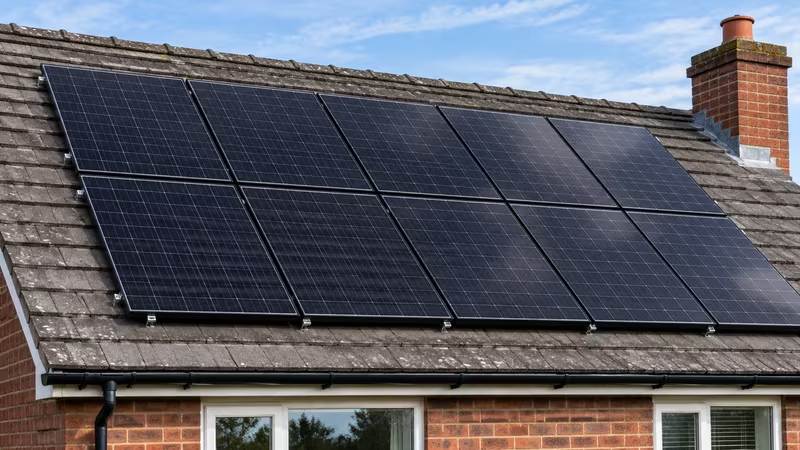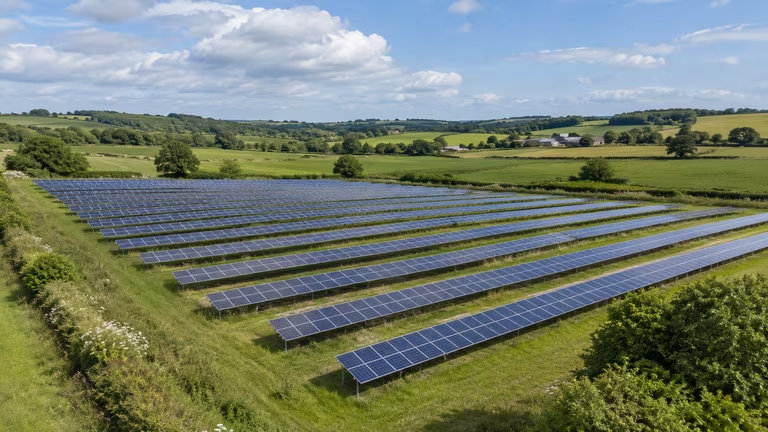
UK solar energy output for 2025 has already surpassed the solar energy produced in the entirety of 2024. This achievement is the result of one of the warmest summers on record and increased solar capacity across the country.
Between the 1st of January and the 16th of August, solar panels have produced 14.08TWh of electricity. This is a 30% increase on the numbers produced throughout the same period in 2024.
This increased solar energy output is believed to be able to power 5.2 million households in Britain for a year.
2025: A record-breaking year for solar generation
The precedent was set early on in 2025, as Great Britain hit new solar highs in spring. For the first time, solar energy accounted for more than 10% of electricity generation in consecutive months over April and May.
Before April and May of this year, solar had only ever breached the 10% electricity generation threshold twice.
The records kept tumbling in the months that followed, with a new peak generation record set on the 8th of July. Between 12:00-12:30 PM, solar was supplying 39% of the country's electricity demand.
What the 2025 solar milestone means
The 2025 milestone demonstrated how additional installed capacity and favourable weather can combine to increase solar generation. It should be read as a historical result rather than a guarantee that output will rise by the same amount every year.
Weather contributed to the 2025 result, while the continuing growth of residential, commercial and utility-scale solar increased the amount of generation available when conditions were suitable.
Future solar output will continue to vary with weather, installed capacity, grid conditions and curtailment. Current deployment and generation figures should therefore be checked in the government’s renewable-energy statistics.
How to interpret a solar-generation record
A generation record can refer to total electricity produced across a period, the highest instantaneous output or solar’s share of demand at a particular time. Those measures describe different things and should not be treated as interchangeable.
For a home or business considering solar, national records are useful context but not a performance forecast. A site-specific proposal should use the roof, shading, orientation, local conditions and electricity profile to estimate generation and savings.
What the milestone means for homes and businesses
Higher national solar generation shows the growing contribution of rooftop and utility-scale systems, but it does not mean every property will achieve the same output or financial return. Household results depend on roof area, orientation, shading, system size and when electricity is used. Commercial results also depend heavily on how closely daytime demand matches solar generation.
A useful proposal should separate forecast generation, on-site consumption, export and any battery use. It should also explain the electricity-price assumptions and show how the model changes under more cautious scenarios. This makes the national milestone useful context while keeping the investment decision grounded in the individual site.
Use recent electricity bills or half-hourly consumption data where available.
Compare solar-only and solar-plus-battery options using the same assumptions.
Treat savings and payback as forecasts rather than guaranteed outcomes.